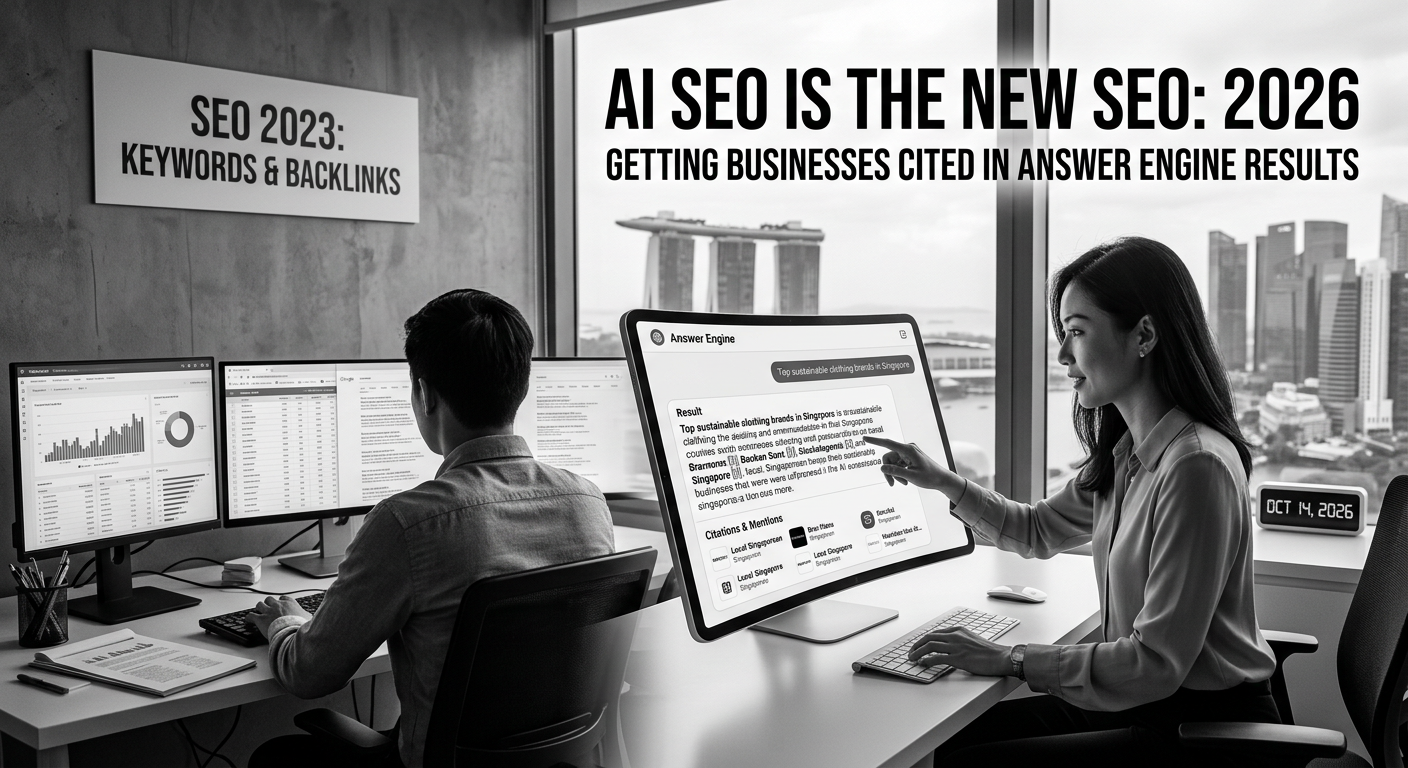

I’ve been personally managing the SEO for multiple Sinagpore Shopify stores for years now. I’m also taking care of the impact of AI Search, especially Zero clicks results for the ecommerce store owners.
A lot of research reports came on the recent search results on AI, especially for online stores, but there was no clear distinction how things are impacting, how much and what would help website owners to make it through.
E-commerce Shopify Websites has an edge in terms of AI results-
1. Architecture Structure– The ecommerce store has categories, collections, products and product description pages. That brings a clean structure by design, which is not just user friendly but also AI friendly to parse through the information from the whole website. It also beautifully put forward the child-parent-sibling relationship among the pages.
2. Attributes– Every product has defined attributes that need to be filled for every product for example quantity, size/pack, prices, stock, compatibility, reviews, best seller, delivery details, material, photos, GTIN/MPIN details. Now all these details are unique for every product backed by details a user needs to have(the personalized context).
3. Sync with Google Merchant Centre (GMC)– Once your online Shopify store connects with the Google Merchant Centre, it connects your products across every Google Platforms like Google Search, Google Shopping, Youtube etc. This is not only the fundamental first gateway to get free listing of your products but it also builds trust and authority. It also automatically structures the data in rich snippets and publishes over google search results, maps, Google shopping etc.
4. FAQs– The FAQs at the home page, collection pages, product listing pages and at product description pages ain’t the additional information, they distinguish how the current product is different from the other ones, attributes act as solid information which buyers need to make the purchase decision like price, stock etc. Also, these FAQs at every stage bring more clarity at the category, sub category and product level, even if it’s available to ship at your country or region.
What has changed for the Shopify ecommerce stores SEO?
Fundamentally, nothing has changed. You still need to optimize your website which covers onsite optimization, local SEO, offsite optimization, technical seo, product optimization, everything is as required as before. Now the question is what has changed?
Agentic Storefronts
Last December, Shopify introduced Agentic Storefronts for the Shopify Merchants. It just allows the merchant to be visible over AI platforms like ChatGPT, Microsoft CoPilot, Perplexity, etc. It enables you to push your storefronts data in these AI search results, without losing your brand identity and voice. It gives you the power where you want to show and how much on your terms.
Shopify is quite famous for their app ecosystem and quickly gets the pulse of online sellers that they want to be visible in front of their AI audience conversing. It is also equipped with Knowledge Base App, where you can put your policies, FAQs, and brand details, so that the customers get the right and uptodate details about your products and policies. This really helps the merchants to carry their brand identity all the time (& everywhere).
Shopify also builds Sidekicks and a bunch of other things at your own level like prompts to make changes on your webstore theme, and build apps for your needs, etc.
The Traffic vs Conversion
Yes, earlier Shopify sites optimize content to attract the traffic and conversions both. The funnel typically works bringing affinity audiences by bringing them over the website by informational/educational keywords for e.g. the ingredients for cupcakes for vegans, how to make DIY cupcakes, but you want to sell the cupcakes. Ecommerce stores operating model was scaling the traffic to have more conversions.
This has changed. AI has made the informational queries traffic almost half as many customers are just having the information over Google AI snippets and very few are coming to the source of citation- your landing page. Please keep in mind that google AI overview powered by Gemini, 3 out of 4 times still shows the results from the top 10 positions on the first page. But in 25% cases it can still cite from a low traffic webstore, which has answered the exact query via its web content. That did not happen before AI.
Now, AI can first reduce the affinity audience traffic who might be pushed to the bottom of the funnel, because they haven’t visited your website, your brand. Secondly, it has reduced the entry barrier of any disruptor who is more close to customer queries and knows what they are seeking.
So what brings conversions to you?
The transactional user queries would still bring you the conversions because you need to land on the product landing page, add to cart and checkout. This aspect of the purchase journey still remains as usual but the discovery journey has changed a lot.
The question is by only focussing the transactional keywords would bring you the required conversions for growth. The answer is no because the transactional keywords are very limited and when everyone targets for these keywords, the competition becomes stiff. Moreover, there will be no brand recognition. Things will be purely transactional but that’s not how the buyer journey works.
What you should be focusing on to optimize your Shopify Store before entering 2027?
1. Comparison content– The informational blog content is outdated which used to be more generic, and brings more or less no value as such. It was used to attract traffic as mentioned. Now, it’s been replaced by better comparison content for e.g. what design cupcakes are apt for kids who are under 5 years vs under 10 years, which ice cream you should try if you already like our Hazelnut Valhrona Guanaja ice cream cake. This kind of content structure is going quiet and serves the dual purpose of conversion and traffic both. Furthermore, it brings value to the customers and answers their unasked product queries or doubts they have in their mind.
2. Optimizing content with the clean site structure– Shopify already provides you the neat website and data structure to list your products and sell them. It’s imperative that your product specifications have all attributes correctly put, categories are organized well, putting comparison content under tables grid, agentic storefronts are turned on, pages are not blocked by robots.txt or non index tags, sitemap is registered over Google Search console.
3. Build Trust & Authority– Users or buying committee always review your products on platforms which are more authentic like Reddit, Quora, YouTube and review/unboxing videos on platform. Nowadays, UGC (User Generated Content) also works great because the prospect can visualize how the product is going to be and it adds a validation layer on top of it. Many times they also answer their post sales experiences doubts, customer service experience, refunds/returns/cancellation experiences, quality, compatibility things which are more qualitative in nature.
4. Local Proof– Every local business thrives when it’s local. I mean a lot of native Singapore buyers prefer something that has a local register address. This gives the buyer confidence without thinking much about delivery timelines, return/exchange policies, etc. But it also has a major authority judgement for AI bots. These smart AI crawlers just not pick information from your website, but also collects and picks signals from your GBP, google reviews, and other comparison reviews done on local third party websites like sethlui.
5th one is the brownie points which often overlooked by business owners, and their marketing agencies-
5. Email Marketing– You get a lot of audience who drop off at certain stages of the buying journey like cart abandonment, checkout abandonment, which should be brought back asap to complete the transaction. Like I said, the funnel is narrow and whatever lands should be converted if it’s the right fit. Having a robust omnichannel marketing approach would cover you which has emails, whatsapp as the mediums. In 2027 most of the ecom businesses would have sustainable growth if they focus more on retention alongside acquisition. The customer acquisition cost is 5x of retaining the existing one. Repeat orders, upselling and cross selling should be your playbook, and try to segment your customers, that’d really give you the idea where and how much to double down and what noise should be scrapped.
I hope this one really gives you the starting point to introspect your Shopify marketing. If you’d like to have have one to one session with me, just reach out. More than happy to help you 🙂.